
A conference table is more than a piece of furniture. It’s where teams meet, clients gather, ideas are presented, and important decisions are made. Because of this, the right table should support both the look of the room and the way people actually use the space.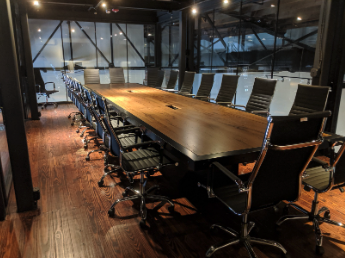
Mass-produced conference tables may work in some offices, but many businesses need something more specific. The size of the room, number of seats, technology needs, design style, and daily use of the space all play a role in choosing the right conference table.
Custom conference tables allow businesses to create a piece that fits the room, supports productivity, and reflects the professionalism of the company.
At Unique Concepts, we believe conference tables should be designed around the needs of the people who use them every day.
What to Think About Before Choosing a Custom Conference Table
- Size of the room: A conference table should fit comfortably without making the room feel crowded. There should be enough space for chairs, walking paths, presentation equipment, and easy movement around the table.
- Seating capacity: The table should support the number of people who regularly use the room. A small team meeting room may only need seating for a few people, while a boardroom or client-facing space may need a larger table with room for guests.
- Table shape: Rectangular, boat-shaped, round, oval, and racetrack-style tables all create different experiences. The right shape depends on the room layout, sightlines, presentation needs, and how formal or collaborative the space should feel.
- Technology: Modern conference rooms often need power outlets, USB charging, data ports, microphones, monitors, or video conferencing equipment. A custom table can include built-in technology access, cable management, and clean wire routing so the room stays organized.
- Finish and materials: The table should match the style of the office while also standing up to regular use. Wood, veneer, laminate, metal, glass, and other materials can all create different looks and levels of durability.
- Communication: A good conference table should make it easy for people to see, hear, and interact with one another. The size, shape, and layout of the table can affect how comfortable and productive meetings feel.
- Branding: A conference room often makes an impression on clients, partners, and employees. A custom table can help the space feel professional, intentional, and connected to the company’s identity.
- Long-term use: A conference table is often a major investment. Choosing the right size, materials, technology features, and design details can help ensure the table continues to serve the business well for years to come.
Why a Custom Conference Table Is Worth the Investment
A custom conference table gives businesses the opportunity to design a meeting space that is functional, polished, and built around real needs. Instead of adjusting the room around a standard table, the table can be created to fit the room and the way the business works.
For offices, boardrooms, meeting spaces, and client-facing environments looking for a table that combines craftsmanship, function, and professional design, Unique Concepts can help bring custom ideas to life.
Leave A Comment